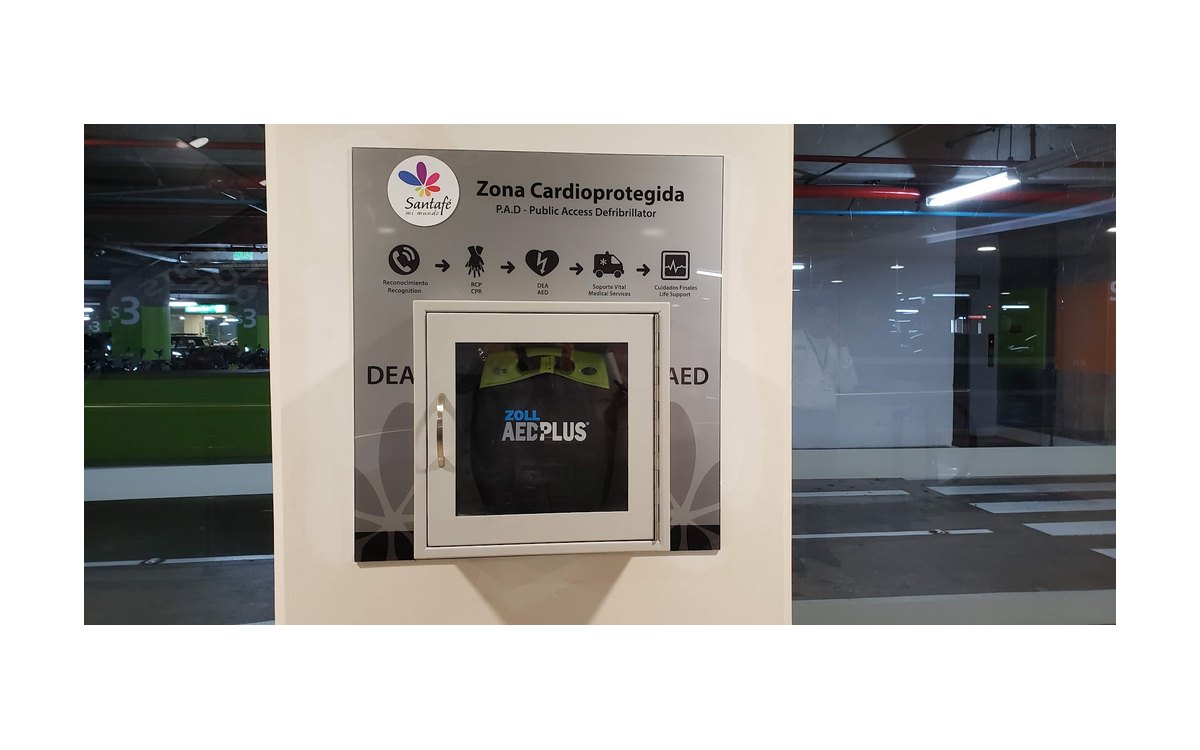
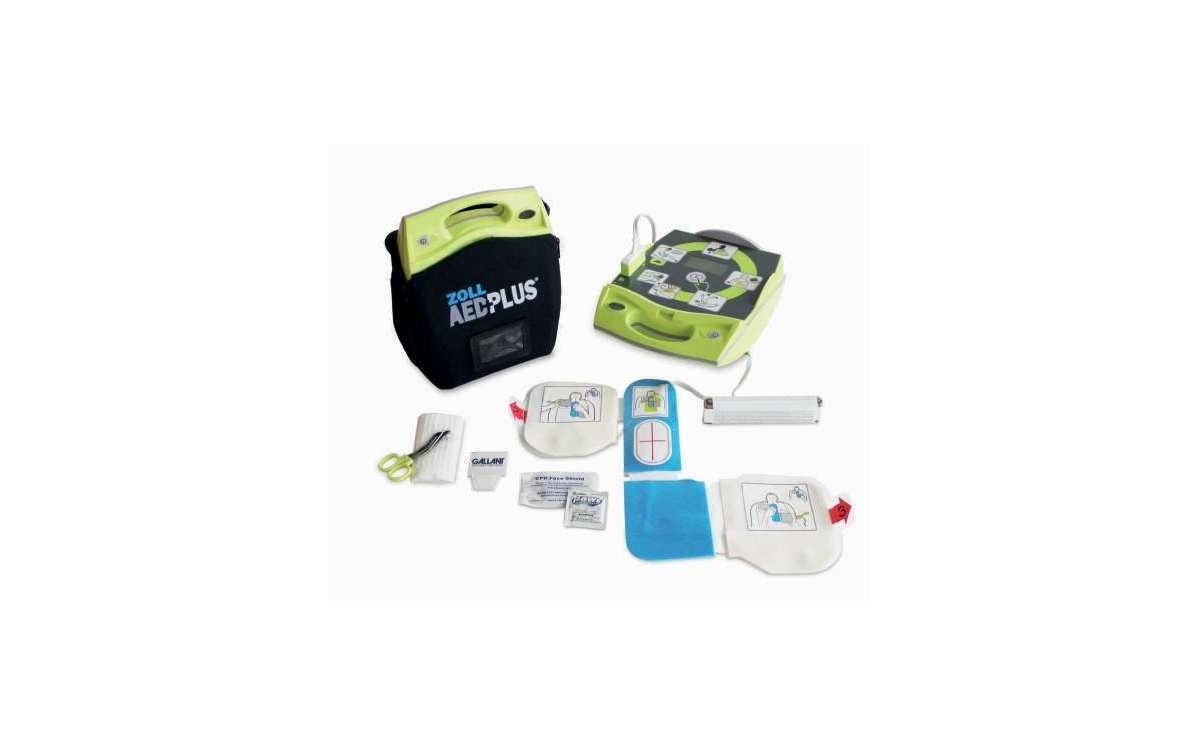
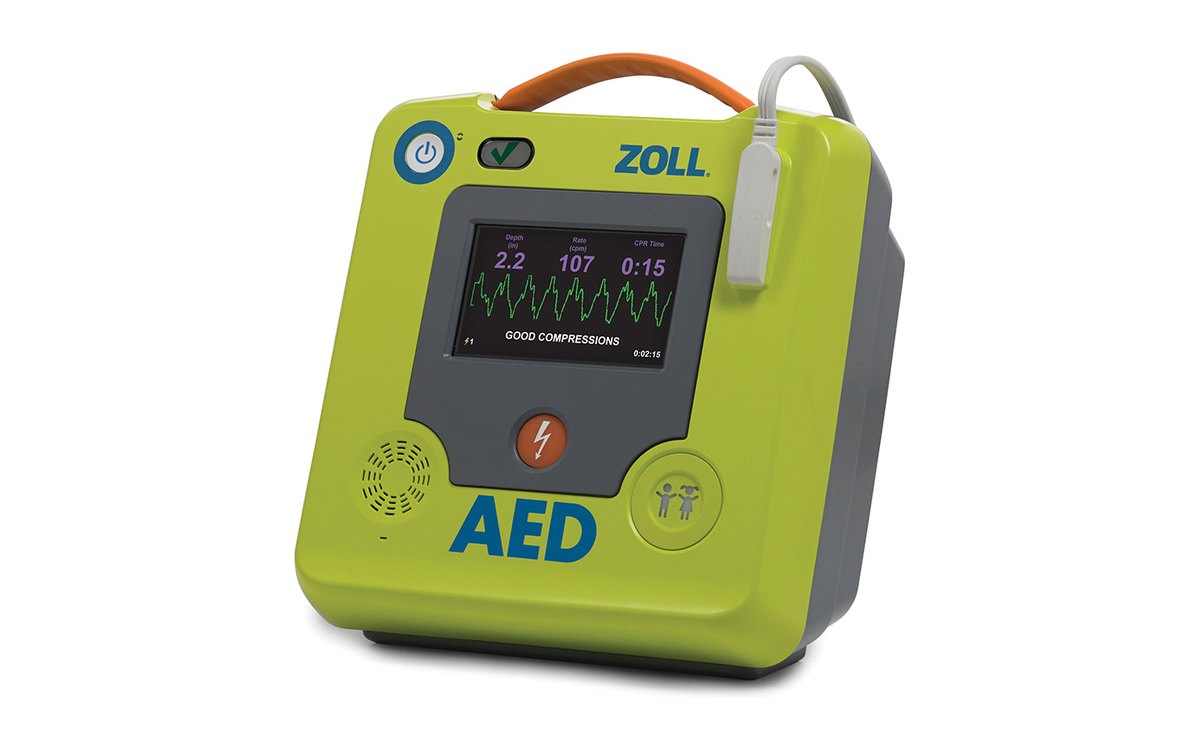
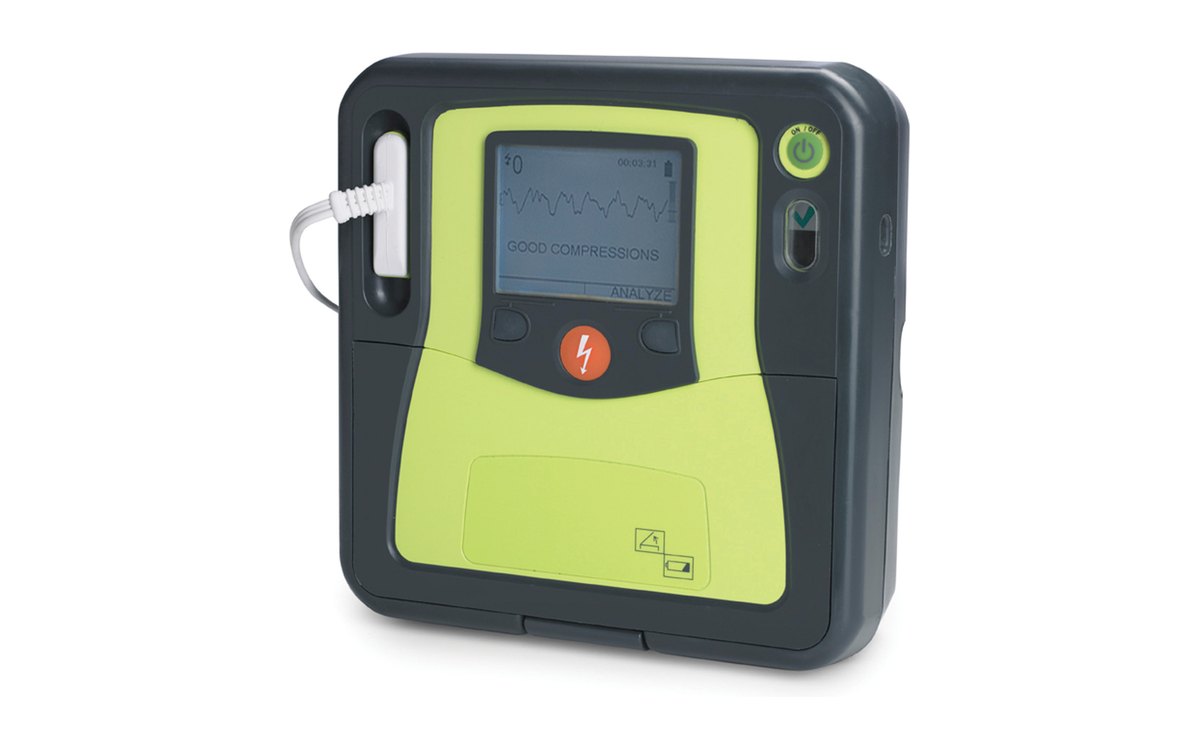
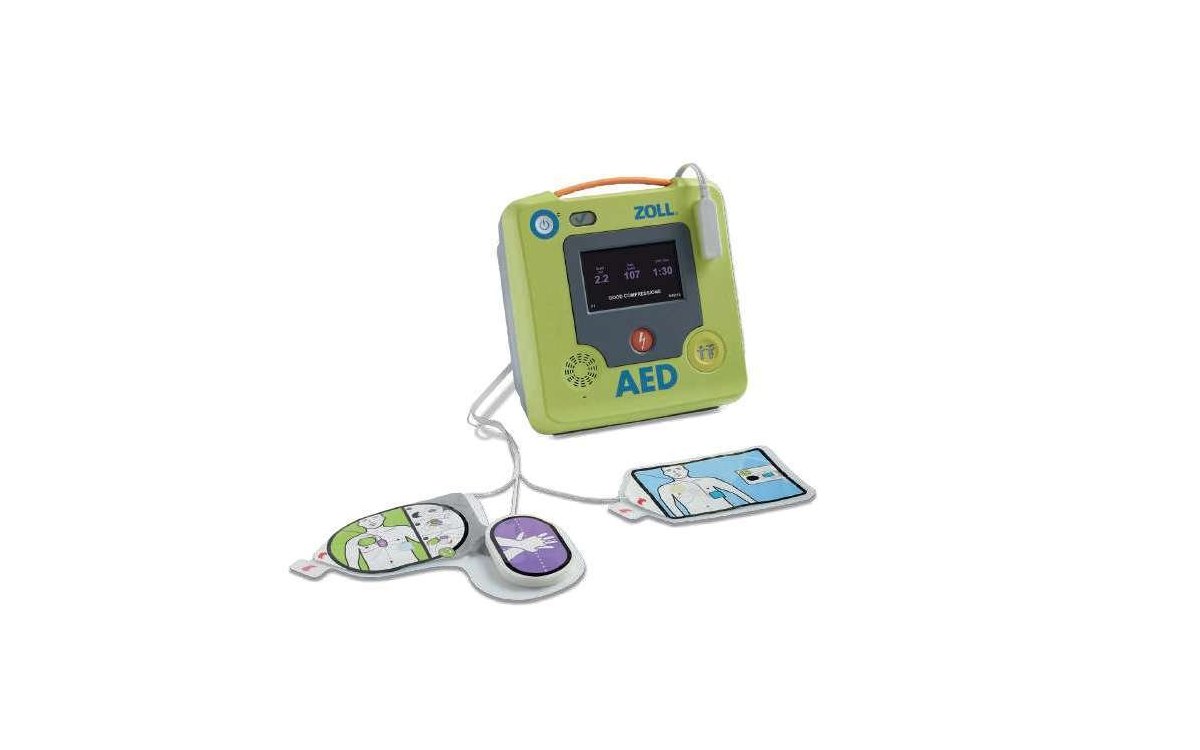
A cardioprotected zone is not a defibrillator hung on a wall: it is the device, the place it is installed, the people who know how to use it and the follow up that guarantees it works on the day it is needed. Conexión Vital studies where to place the AED, fits the cabinet with alarm and signage, trains and certifies staff every year, and monitors the unit with PlusTrac software.
What it brings
- Defibrillator suitable for use by someone with no medical training
- Strategic analysis of where to physically place the AED
- Installation with alarmed cabinet and visible signage
- Annual staff training and certification programme
- Follow up with PlusTrac software, which monitors the unit's readiness
- Accessory replacement and AED renewal at the end of its cycle
- Published zone map, so anyone can find the nearest AED
- Complements the site's ambulance and security services
- Signage with the chain of survival: recognition, CPR, AED, life support, final care and recovery
Where it is used
- Shopping centres
- Airports and terminals
- Business and industry
- Schools and universities
- Public bodies
- Sports venues
Specifications
| Components | AED, alarmed cabinet, signage, annual training and monitoring |
|---|
| Monitoring software | PlusTrac, with wifi connection |
|---|
| Installed device | Zoll AED Plus |
|---|
| Programme partners | Quirurgil, Zoll, Diagnosticarte |
|---|
| Coverage | Colombia and Panama |
|---|
| Regulatory framework | Law 1831 of 2017, Resolution 3316 of 2019 and Resolution 926 of 2017 of the Ministry of Health, plus the district agreements of Cartagena, Atlántico and Manizales |
|---|
| Why it matters | In Colombia 80 people a day die of cardiac arrest, 29,200 a year, according to Conexión Vital |
|---|
Technical information published by the manufacturer.